
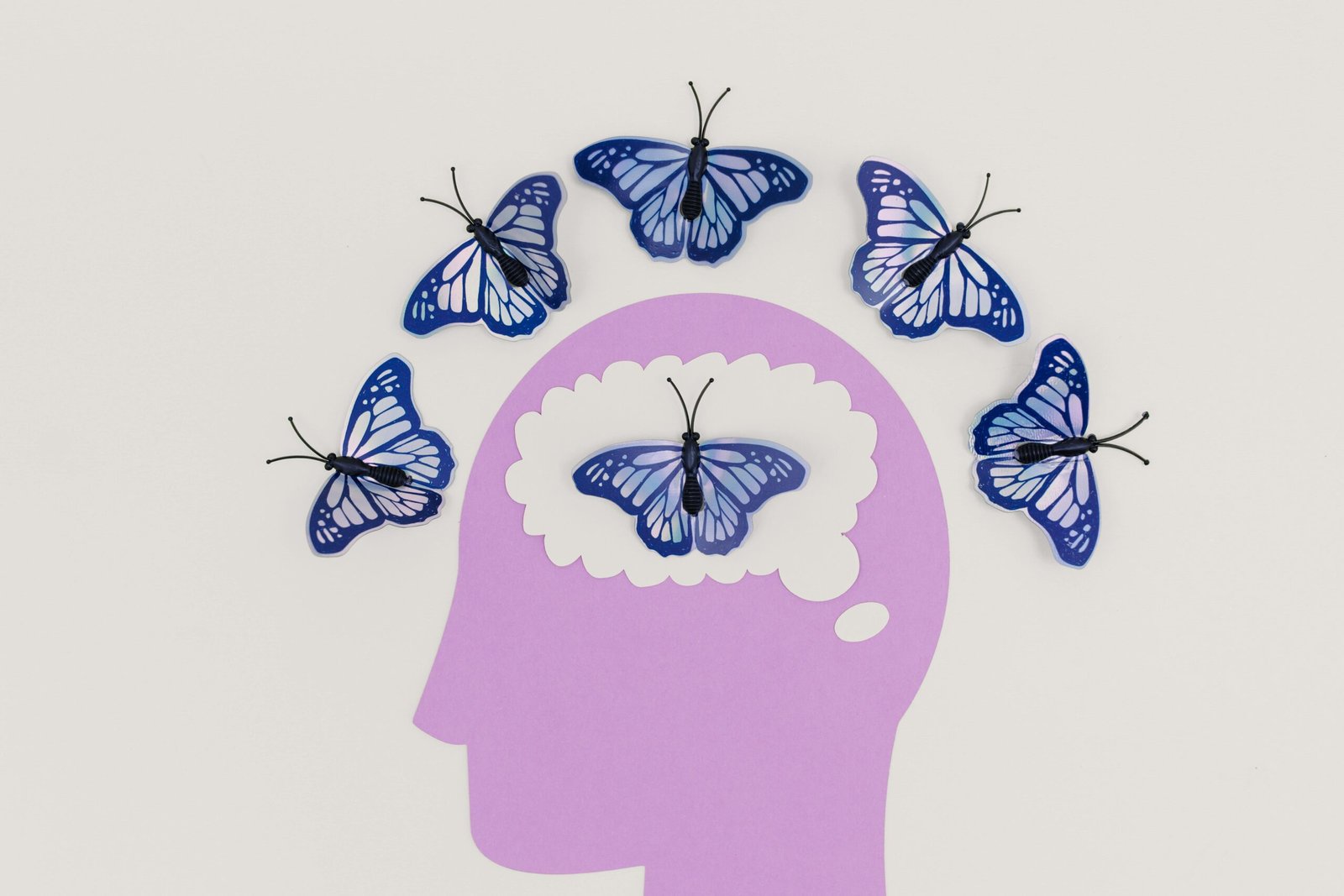
Breakdown or Balance? Powerful Insights on Mental Wellness in Digital Era
In today’s fast-paced world, mental wellness in digital era has become one of the most pressing challenges. Technology offers comfort, convenience, and connection, yet it also fuels stress, distraction, and burnout. Striking a balance between the positive and negative sides of our digital lives can make the difference between breakdown and resilience.
Why Mental Wellness in Digital Era Matters
More than 60% of people report experiencing digital burnout in the past year, according to a Pew Research study. Constant notifications, endless scrolling, and remote work have blurred the lines between life and screen. Ignoring these signs can harm productivity, relationships, and long-term health.
On the brighter side, technology can also provide solutions. From mindfulness apps to therapy platforms, our devices can act as lifelines when used intentionally. The goal isn’t to abandon tech—it’s to reclaim control.
A Case Study: Lisa’s Story
Lisa, a 29-year-old marketing professional, noticed her sleep was worsening, and her mood was constantly low. She spent nearly 8 hours daily outside work glued to her phone. After joining an online support group and scheduling “screen-free mornings,” she saw massive improvements. Within a month, her sleep normalized, she felt calmer, and her productivity rose. Lisa’s story shows that small, intentional changes can bring balance.
The Hidden Costs of Digital Overload
When mental wellness in digital era is neglected, the effects are often subtle at first—tired eyes, restless nights, or difficulty focusing on work. Over time, however, these issues snowball into anxiety, depression, or even physical illness. According to the World Health Organization, mental health problems are already one of the leading causes of disability worldwide, and overexposure to digital devices adds fuel to the fire.
Children and teenagers are particularly vulnerable. Excessive screen time can disrupt sleep cycles, affect self-esteem, and increase the risk of cyberbullying-related stress. Adults, too, are not immune—especially remote workers who rarely disconnect from emails or work chats. If these habits go unchecked, the line between life and work disappears, leaving little room for rest or creativity.
Daily Checklist for Balance
If you want to protect your mental wellness in digital era, here’s a quick checklist to start today:
- Set boundaries for screen time, especially before bed.
- Turn off non-essential notifications to reduce mental clutter.
- Schedule tech-free meals or walks daily.
- Use mindfulness apps like Headspace for guided meditation.
- Seek online therapy platforms like BetterHelp if stress feels overwhelming.
These steps may look small, but over time, they reshape your relationship with technology into something sustainable.
Mental Wellness in Digital Era: The Double-Edged Sword
Technology is both helper and harm. Too much reliance leads to overstimulation and emotional fatigue. But used wisely, digital tools connect us with loved ones, expand learning, and offer professional help at our fingertips. The key lies in mindful usage—not blind consumption.
For example, if you’re struggling with financial stress alongside mental health, learning simple debt management strategies can help reduce anxiety. Here’s a guide on debt consolidation that may provide relief in both money and mindset.
Building Healthier Digital Habits
Improving mental wellness in digital era doesn’t require drastic measures. Instead, focus on small habits that can be sustained over time. Try “digital sunsets,” where you log off all devices an hour before bed. Create tech-free zones in your home, such as the dining table or bedroom. Most importantly, reconnect with offline activities—reading, exercising, or simply having face-to-face conversations.
Employers can also play a role. Encouraging employees to take screen breaks, promoting mental health days, and setting clear expectations for after-hours communication can significantly reduce digital stress. Workplace culture is shifting, and organizations that support digital wellness will have happier, more productive teams.
Frequently Asked Questions on Mental Wellness in Digital Era
Q1: How can I improve my mental wellness in digital era without quitting tech?
You can start by building screen-free routines in the morning and evening, batching notifications, and using relaxation-focused apps instead of entertainment-based ones.
Q2: Are social media detoxes effective?
Yes. Even a weekend offline can reset habits, improve your mood, and restore mental clarity.
Q3: What are red flags for digital burnout?
Warning signs include poor sleep, fatigue, irritability, and compulsive checking of devices. If they persist, seek professional help.
Q4: Which tools actually help with mental wellness in digital era?
Useful tools include mindfulness apps like Headspace, therapy services like BetterHelp, and focus timers or site blockers.
A Human Touch to End
At the heart of it, mental wellness in digital era is not about avoiding technology—it’s about taking charge of how we use it. Like Lisa, we all have the power to set healthier boundaries, reclaim our focus, and restore our peace of mind. Remember: balance beats burnout. If you feel overwhelmed, take one step at a time—whether that’s muting notifications or going for a short walk without your phone. Small choices can change everything.
Enjoyed this post? Share it with a friend who needs a reminder to log off and breathe.