
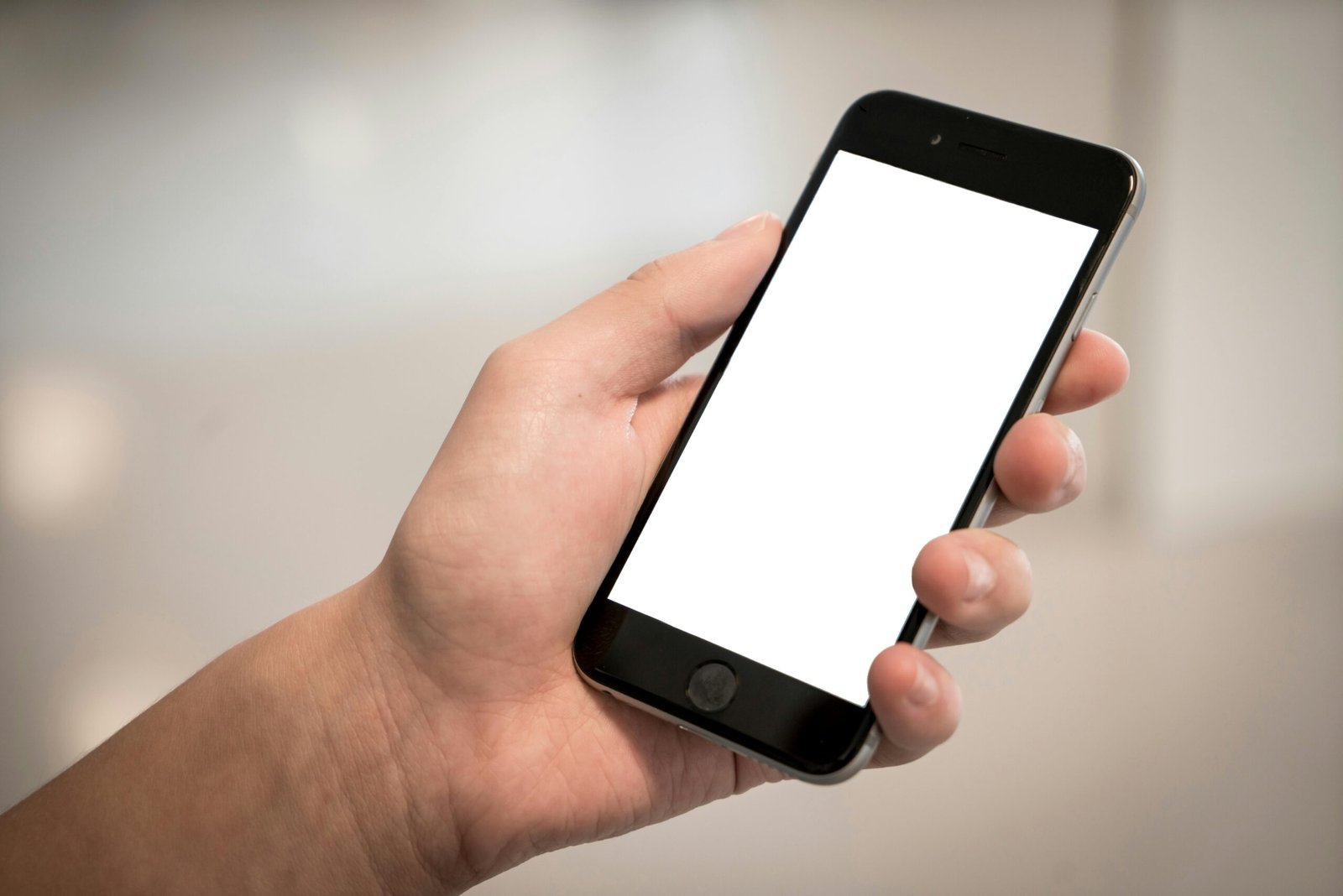
How phones become productivity engines — and when they stop working for you
In today’s world, phones are among the most transformative tools we own. Used correctly, phones concentrate vast computing power, communication channels, and productivity apps into one pocket-sized device — they can supercharge careers, learning, and creativity. Misused, however, phones become potent sources of distraction, stress, and lost time. This article explains how to get the best from phones, shows a short real-world case study, and answers common questions so you can make your device work for you.
Why phones are more powerful than other digital devices when used intentionally
Phones combine always-on connectivity with features that previously required multiple devices: high-quality cameras, GPS, note-taking, calendars, productivity suites, and access to information anywhere. For entrepreneurs and students, phones enable:
- On-the-go research and learning (quick access to articles, tutorials, and expert communities).
- Real-time collaboration through messaging, video, and cloud apps.
- Productivity automation using shortcuts, widgets, and app integrations.
- Creative production — shooting, editing, and publishing content from one device.
Because phones are both portable and personal, they can become an extension of your workflow in ways laptops or desktops cannot replicate. This contextual advantage is what makes phones so powerful.
How this device become distractive and reduce focus
The exact features that empower phones also enable distraction. Notifications, social feeds, and endless content loops are designed to capture attention. Misuse patterns include:
- Constant multitasking — switching between apps reduces deep work quality.
- Notification-driven attention — unfiltered alerts interrupt flow and increase stress.
- Passive consumption — binge-scrolling consumes time without meaningful returns.
If left unchecked, phones erode time blocks for concentration and shallow the quality of both work and relationships.
5 practical rules to turn these devices into powerful tools (and avoid the trap)
- Designate device roles: Let phones handle quick communications, camera work, and urgent tasks; use larger devices for long-form writing and heavy multitasking.
- Schedule phone-free deep work: Create daily blocks (e.g., 90 minutes) where your phone is on Do Not Disturb or in another room.
- Curate notifications: Keep only essential alerts. Turn off social media push notifications and use app badges, not sounds.
- Use productivity tools: Use timers, app limiters, and automation to reduce friction for meaningful tasks and increase friction for shallow ones.
- Make tech for wellbeing: Use focus apps, bedtime modes, and grayscale to reduce compulsive use.
Want more tips? Check our innovation ecosystems page and read about mindful tech habits on our digital wellness page.
For technical device comparisons and specs, frequent readers also consult industry resources such as GSMArena which helps match your needs to phone capabilities.
Case Study — From distraction to productivity (real-world example)
Background: Maria, a freelance graphic designer, used phones primarily for social browsing. She noticed deadlines slipping and felt burned out.
Intervention: Maria enforced two changes: (1) she moved non-work apps into a separate folder and disabled their notifications; (2) she set up a simple automation that launched her timer and work playlist whenever she opened her design app.
Outcome: Within three weeks, Maria reported a 30 % improvement in on-time deliveries and less evening screen time. She reclaimed two hours of focused work daily by using her phone as a productivity hub rather than a leisure device.
This case demonstrates how small behavioural and configuration changes can convert a distractive phone into a powerful business tool.
A Personal Note
I’ve watched phones help students study smarter, parents keep family calendars synced, and creators publish work instantly. But I also know the ache of doom-scrolling late at night — I’ve been there. Treat your phone like a powerful assistant: set boundaries, make it earn its place in your day, and it will repay you with time and opportunity.
Enjoyed this post… share it with a friend…
FAQ — Phones & Productivity
Q: Are phones better than laptops for productivity?
A: Phones are better for quick tasks, communications, and mobility; laptops are superior for prolonged typing, complex editing, and multitasking large projects. Use each device for its strengths.
Q: How many times should I check my phone daily?
A: Aim to batch-check at scheduled intervals (e.g., every 60–90 minutes) unless you have a role requiring immediate responses. Reducing checks reduces interruptions and improves focus.
Q: What are simple settings that reduce distraction?
A: Turn on Do Not Disturb for deep work, disable non-essential notifications, use app timers, and consider grayscale or focus modes to reduce the device’s pull.
Q: Will removing social apps solve distraction?
A: Removing or limiting access helps many people, but the underlying habit matters most. Pair app limits with routines and environment changes for lasting results.
Q: Can phones replace other tools for professionals?
A: For many tasks, yes — editing photos, recording audio, project management — but specialised tasks (high-end video editing, 3D modelling) still benefit from more powerful hardware.